Hadley: A Masterpiece of Victorian Typography
Typography is more than just letters on a page—it's a visual language that conveys emotion, history, and identity. Hadley is a premium ornamental typeface that transforms typography into a work of fine art. With its intricate detailing and timeless elegance, Hadley captures the essence of Victorian craftsmanship, making it a powerful tool for designers, creators, and businesses seeking to elevate their visual storytelling.
What Makes Hadley Unique?
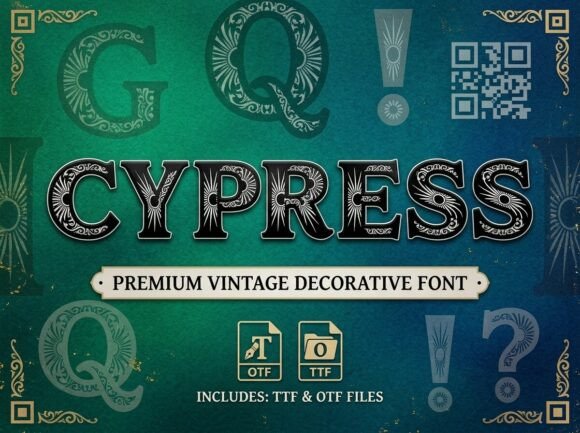
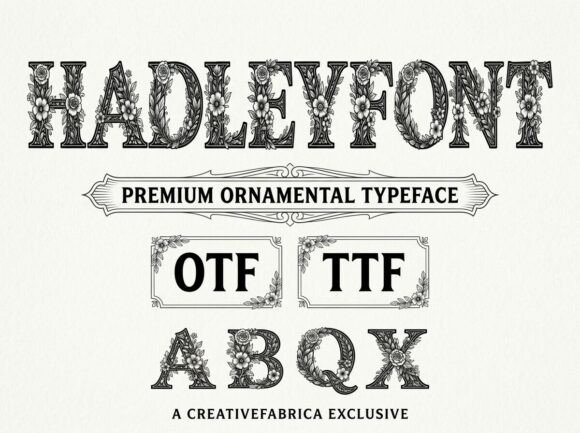
At first glance, Hadley stands out for its elaborate design. Each character is a complex composition, featuring hand-etched roses, delicate blossoms, and swirling botanical vines. The font’s slab-serif framework provides a strong foundation, while the woodcut-style detailing adds depth and texture. This combination creates a rich, almost tactile experience that feels both historic and sophisticated.
Unlike many modern fonts that prioritize simplicity and clarity, Hadley embraces complexity. Its ornate details make it ideal for projects that require a sense of grandeur and authenticity. Whether you're designing a luxury brand, a historical book cover, or a wedding crest, Hadley offers a distinctive visual identity that commands attention.
Key Features of Hadley
- Victorian Elegance: Inspired by the artistic movements of the 19th century, Hadley reflects the refined aesthetics of the Victorian era.
- Botanical Motifs: Intricate floral and vine patterns are embedded within each letter, adding a layer of natural beauty and symbolism.
- Woodcut Texture: The font mimics the look of hand-carved wood, giving it a warm, artisanal feel.
- High-End Application: Perfect for luxury branding, heritage projects, and bespoke designs that demand a touch of sophistication.
Where Can You Use Hadley?
Hadley is not a one-size-fits-all font. Its ornate style makes it most effective in contexts where visual impact and historical resonance matter. Here are some common applications:
- Luxury Branding: High-end fashion, jewelry, and lifestyle brands often use Hadley to convey exclusivity and tradition.
- Spirit Labels: Winemakers and distillers may choose Hadley for bottle labels to evoke a sense of craftsmanship and heritage.
- Historical Publications: Publishers of books, especially those focused on history, literature, or art, may use Hadley to enhance the reading experience.
- Wedding Invitations and Crests: Couples looking for a romantic, timeless design often turn to Hadley for their special day.
Who Benefits from Using Hadley?
Hadley appeals to a wide range of users, but it particularly suits those who value visual storytelling and historical context. Here are some potential users:
- Graphic Designers: Professionals looking to add a unique, artistic touch to their work can benefit from Hadley’s distinct style.
- Business Owners: Entrepreneurs in niche markets, such as vintage clothing or artisanal products, may find Hadley enhances their brand image.
- Content Creators: Writers, artists, and bloggers might use Hadley to create visually striking content that aligns with their creative vision.
- Print Designers: Those working on physical materials like posters, brochures, or packaging can leverage Hadley’s texture for a premium look.
Strengths and Considerations
One of Hadley’s greatest strengths is its ability to evoke emotion and tell a story through typography. Its detailed design can transform simple text into an artistic statement. However, this same complexity can also be a limitation. Because of its ornate nature, Hadley may not be suitable for large blocks of text or digital interfaces where readability is critical.
Additionally, users should consider the technical requirements of using Hadley. It may require higher resolution for optimal display, and certain platforms may not support all its stylistic features. For best results, ensure that your design software and output medium can handle the font’s intricate details.
Real-World Applications of Hadley
Let’s explore a few practical examples of how Hadley has been used in real-world scenarios:
- Historical Book Covers: Publishers of classic literature or historical nonfiction have used Hadley to create covers that reflect the time period of the content.
- Wedding Stationery: Couples have chosen Hadley for invitations, thank-you cards, and other wedding-related materials to express a sense of old-world charm.
- Luxury Product Packaging: Brands selling high-end products like perfumes, candles, or gourmet foods have incorporated Hadley into their packaging to reinforce a premium image.
- Art Exhibitions: Museums and galleries have used Hadley in promotional materials to complement exhibits focused on Victorian art or design.
Evaluating Suitability for Your Project
Before choosing Hadley, consider the goals of your project. Ask yourself: Does the font align with the message you want to convey? Will it enhance or distract from the overall design? If your project requires a bold, artistic statement, Hadley could be an excellent choice. However, if clarity and legibility are your top priorities, you may need to opt for a simpler typeface.
It’s also wise to test Hadley in different contexts. Preview it in various sizes and formats to see how it performs. You may find that it works best in headlines, titles, or short phrases rather than long paragraphs.
Conclusion
Hadley is more than just a font—it’s a symbol of craftsmanship, history, and artistic expression. Its intricate details and Victorian-inspired design make it a powerful tool for those who want to elevate their visual communication. While it may not be suitable for every project, when used appropriately, Hadley can add a touch of timeless elegance that resonates with audiences. Whether you’re designing for luxury, heritage, or romance, Hadley offers a unique way to bring your vision to life through typography.