Plane: A Mechanical Masterpiece for Bold Design
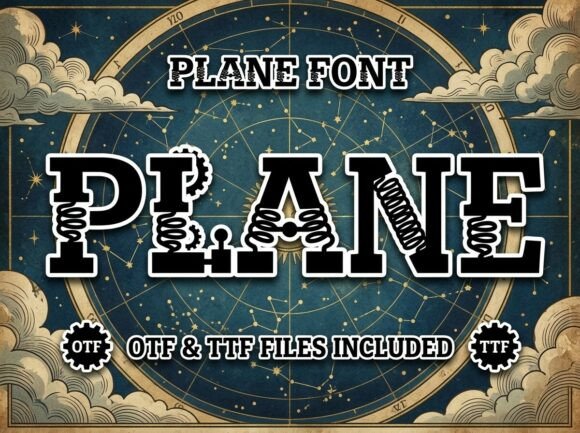
Plane is more than just a typeface—it's a statement. Designed for those who value precision and play, this display font blends the strength of slab serifs with the intricate details of mechanical engineering. Its bold, architectural forms and machine-inspired elements make it a standout choice for projects that demand both visual impact and creative flair.
With its massive letterforms and embedded technical components like coiled springs, rotating gears, and industrial levers, Plane exudes a sense of innovation and craftsmanship. It’s a font that speaks to the inventor in all of us, offering a unique aesthetic that bridges the gap between industrial design and artistic expression.
What Makes Plane Unique?
Plane isn’t your average serif or sans serif font. It’s a premium display typeface that combines the structural strength of slab serifs with the detailed complexity of mechanical elements. The result is a font that feels both robust and playful, making it ideal for brands that want to stand out without sacrificing professionalism.
The personality of Plane is mechanical yet approachable. It has a rhythmic quality that makes it feel alive, as if each letterform is part of a larger, functioning system. This dynamic energy makes it perfect for projects that aim to evoke curiosity, creativity, and a sense of movement.
Where Plane Shines
Plane excels in design contexts where visual impact is key. Whether you're working on a toy brand, a steampunk exhibition title, or a workshop logo, this font brings a level of detail and character that other fonts can't match. Its industrial aesthetic makes it a natural fit for maker culture, engineering-related branding, and creative projects that celebrate hands-on innovation.
In editorial design, Plane can be used for headlines or section dividers to add a touch of mechanical elegance. In web design, it works well for hero sections, call-to-action buttons, or social media headers that need to grab attention. For print projects like packaging or promotional materials, Plane adds a distinctive visual identity that sets your brand apart.
When used in logo design, Plane offers a strong foundation for creating memorable, recognizable marks. Its boldness ensures legibility at different sizes, while its unique details add a layer of sophistication that resonates with design-conscious audiences.
How Plane Influences Design
Choosing the right font is crucial for effective communication. Plane influences readability by balancing boldness with clarity. While it’s a display font meant for eye-catching use, it maintains a level of legibility that allows it to work well in headlines and short phrases.
In terms of visual hierarchy, Plane commands attention without overwhelming the reader. Its mechanical elements add depth and interest, helping to guide the viewer’s eye through a design. This makes it an excellent choice for projects that require a clear structure but also want to engage the audience visually.
Brand perception is another area where Plane can make a difference. A font that reflects a mechanical and inventive spirit can help position a brand as innovative, reliable, and forward-thinking. Consistency in typography is key to building a strong brand identity, and Plane provides a cohesive look that supports long-term recognition and trust.
Practical Tips for Using Plane
If you're considering using Plane for your project, start by evaluating how it fits with your overall design vision. Think about the message you want to convey and whether the font’s personality aligns with your brand’s values. Testing it in different contexts—like headlines, logos, or social media graphics—can help you understand its versatility.
Font pairing is another important consideration. Plane works best when paired with simpler, more neutral typefaces that don’t compete with its intricate details. A clean sans serif or a classic serif can provide balance and contrast, allowing Plane to shine without becoming overwhelming.
Reviewing the included styles is essential. Plane likely comes in multiple weights or variations, each suited for different applications. Understanding these options helps you make informed decisions about which style to use for specific design elements.
Readability should always be a priority. Even though Plane is a display font, it needs to remain legible at various sizes and on different mediums. Testing it in real-world scenarios—like printed materials or digital screens—can reveal any potential issues and ensure it meets your project’s needs.
Finally, consider commercial licensing if you’re using Plane for business purposes. Make sure you have the appropriate rights to use the font across all platforms, including web, print, and digital assets. This protects your work and ensures compliance with legal standards.
Real-World Applications of Plane
For independent toy inventors, Plane offers a way to create branding that feels both authentic and imaginative. Its mechanical elements resonate with the spirit of invention, making it a great fit for product packaging, website headers, or marketing materials that highlight creativity and innovation.
Steampunk-themed exhibitions benefit from Plane’s industrial aesthetic. It adds a sense of authenticity and nostalgia, enhancing the visual storytelling of the event. Whether used for titles, signage, or promotional content, Plane elevates the overall experience for attendees.
Workshop logos and maker culture branding also gain from Plane’s bold presence. It conveys a sense of expertise and hands-on creativity, reinforcing the credibility of the brand. Its unique details make it stand out in a crowded market, helping businesses build a strong visual identity.
In social media graphics, Plane can be used to create eye-catching headers or post captions that reflect a brand’s personality. Its mechanical elements add a layer of intrigue, encouraging engagement and interaction with the content.